

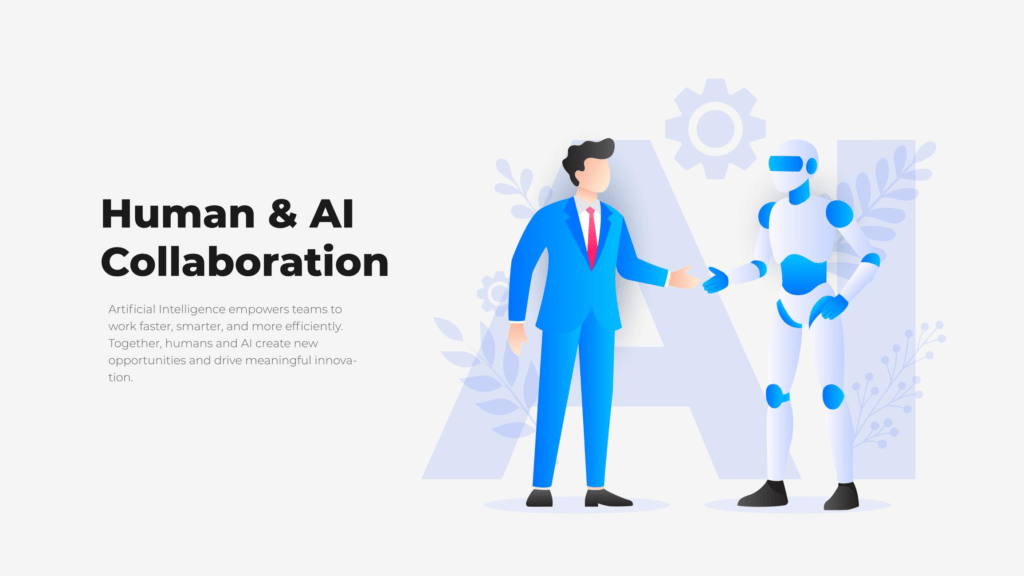
The debate around AI vs human creativity has intensified in 2026 as generative AI tools become smarter, faster, and more accessible. From writing articles to designing artwork and composing music, artificial intelligence is reshaping how creativity works.
But does AI truly replace human imagination — or does it enhance it?
Let’s explore the future of creativity in an AI-powered world.
What Is AI Creativity?
Generative AI tools such as ChatGPT, DALL·E, and Midjourney create content by learning from massive datasets.
They can:
- Write blog posts
- Generate marketing copy
- Create digital art
- Compose music
- Produce video scripts
AI identifies patterns and produces outputs that appear creative — but the real question is whether this is true creativity or advanced prediction.
Where AI Excels in Creative Work
1. Speed & Productivity
AI can generate thousands of ideas in seconds.
2. Content Scaling
Brands use AI to produce personalized marketing content at scale.
3. Data-Driven Creativity
AI analyzes trends, audience behavior, and performance data to optimize content.
4. Cost Efficiency
Small businesses can now compete with larger companies without massive creative teams.
In content marketing, AI significantly reduces the time required to brainstorm, draft, and optimize content.
Where Human Creativity Remains Irreplaceable
Despite impressive advancements, AI still lacks:
Emotional Experience
Humans create from personal struggles, joy, culture, and life stories.
Ethical Judgment
Creative decisions often require moral reasoning and sensitivity.
Deep Contextual Understanding
AI predicts patterns — humans interpret meaning.
Original Vision
AI remixes existing data. Humans invent entirely new paradigms.
True innovation often emerges from lived experience — something machines do not possess.
The Real Future: Collaboration, Not Competition
The future of creativity is not AI versus humans — it’s AI with humans.
How Collaboration Works:
- Writers use AI for outlines, then refine with personality.
- Designers generate concepts via AI, then apply artistic direction.
- Marketers use AI for data insights, then craft emotional campaigns.
AI becomes a creative assistant, while humans remain the creative directors.
How Creative Industries Are Evolving
Content Creation
AI speeds up production while humans focus on storytelling.
Design & Art
AI handles experimentation; artists refine expression.
Film & Media
AI assists in editing and effects, reducing production costs.
Education
Students learn how to use AI tools strategically instead of fearing them.
The creative workforce is shifting from “doing everything manually” to “strategically guiding AI.”
Will AI Replace Creative Jobs?
Certain repetitive tasks may become automated.
However, new roles are emerging:
- AI Content Strategist
- Prompt Engineer
- Creative AI Director
- AI Ethics Consultant
History shows that technology changes jobs — it doesn’t eliminate creativity itself.
Final Thoughts: The Future of AI vs Human Creativity
AI is powerful.
Humans are imaginative.
Together, they are unstoppable.
The future of creativity in 2026 and beyond will belong to those who:
✔ Learn how to use AI tools effectively
✔ Maintain authenticity and originality
✔ Combine human emotion with machine efficiency
Creativity is evolving — not disappearing.