

Buying your first diamond can feel overwhelming. With different cuts, certifications, price ranges, and settings available, beginners often don’t know where to start.
This diamond jewellery buying guide for beginners explains everything you need to know — from the 4Cs of diamonds to choosing the right setting — so you can make a confident and smart purchase in 2026.
Step 1: Understand the 4Cs of Diamonds
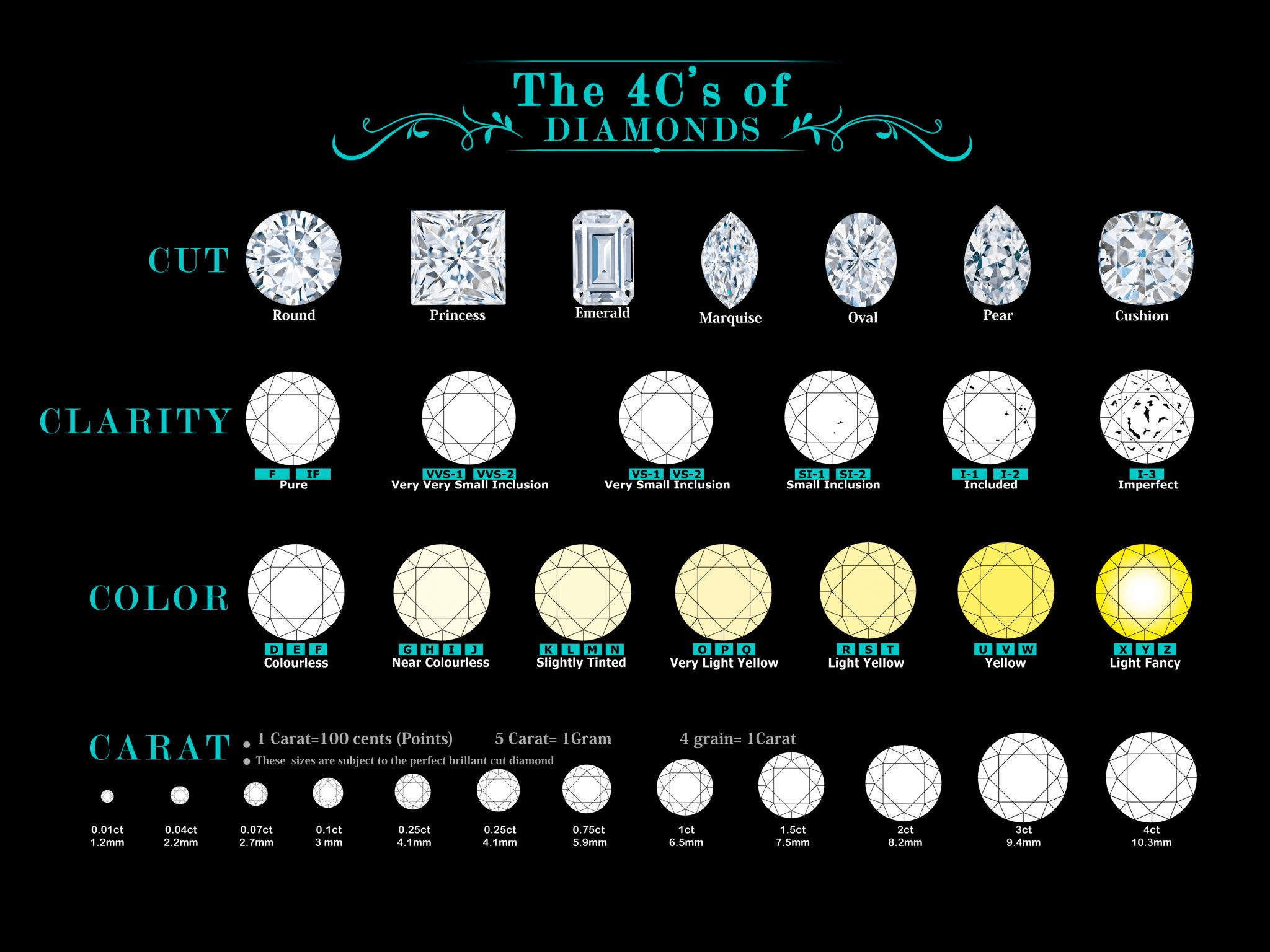
The most important part of any diamond buying guide 2026 is understanding the 4Cs:
1️⃣ Cut (Most Important)
The cut determines how much a diamond sparkles.
- Excellent / Ideal → Maximum brilliance
- Very Good → Great sparkle
- Good → Moderate brilliance
💡 Even a smaller diamond with an excellent cut can outshine a larger poorly cut stone.
2️⃣ Carat (Weight)
Carat measures the weight of the diamond.
- 0.25 ct → Delicate & subtle
- 0.50 ct → Balanced and popular
- 1.00 ct → Classic engagement size
Remember: higher carat does not always mean better quality.
3️⃣ Color
Diamond color grades range from D (colorless) to Z (light yellow).
- D–F → Colorless (premium)
- G–H → Near colorless (best value for money)
- I–J → Slight tint (budget-friendly)
For beginners, G–H offers excellent balance between price and appearance.
4️⃣ Clarity
Clarity measures internal imperfections.
- FL / IF → Flawless (rare & expensive)
- VS1 / VS2 → Very slight inclusions (great balance)
- SI1 / SI2 → Slight inclusions (good value option)
Most inclusions are not visible to the naked eye.
Step 2: Choose the Right Diamond Shape
Shape affects style more than value.
Popular choices:
- Round Brilliant → Maximum sparkle
- Oval → Elegant & elongates fingers
- Princess → Modern square look
- Cushion → Romantic & soft
- Emerald → Vintage & sophisticated
Round brilliant remains the most popular for engagement rings.
Step 3: Always Check Diamond Certification
A certified diamond guarantees authenticity and grading accuracy.
Trusted labs include:
- Gemological Institute of America (GIA)
- International Gemological Institute (IGI)
Never purchase diamond jewellery without proper certification.
Step 4: Choose the Right Setting
The setting enhances both security and style.
Popular options:
- Solitaire → Timeless and elegant
- Halo → Extra sparkle
- Pavé → Diamonds on the band
- Bezel → Modern and secure
For beginners, solitaire settings are versatile and classic.
Step 5: Natural vs Lab-Grown Diamonds
A common beginner question is the difference between natural and lab-grown diamonds.
Lab-Grown Diamonds:
- 30–40% more affordable
- Chemically identical to natural diamonds
- Sustainable and ethical
Natural Diamonds:
- Formed over billions of years
- Higher resale perception
- Traditional investment value
Choose based on budget, ethics, and long-term goals.
Step 6: Set a Smart Budget
Instead of focusing only on size:
✔ Prioritize cut quality
✔ Choose near-colorless grades (G–H)
✔ Select VS or SI clarity
✔ Compare certified diamonds
Balancing the 4Cs helps maximize value without overspending.
Step 7: Where to Buy Diamond Jewellery
You can buy from:
- Trusted local jewellers
- Reputable branded stores
- Online certified retailers
Before purchasing, check:
- Return policy
- Buyback policy
- Warranty
- Upgrade options
Common Diamond Buying Mistakes to Avoid
❌ Buying without certification
❌ Ignoring cut quality
❌ Overpaying for unnecessary carat size
❌ Not comparing multiple options
❌ Choosing trends over timeless design
FAQ (SEO Rich Snippet Section)
What are the 4Cs of diamonds?
Cut, Carat, Color, and Clarity determine a diamond’s quality and value.
Is a lab-grown diamond real?
Yes. Lab-grown diamonds are chemically and physically identical to natural diamonds.
What is the best diamond for beginners?
A round brilliant diamond with Excellent cut, G–H color, and VS clarity offers the best value.
Why This Diamond Jewellery Buying Guide Matters in 2026
With rising demand for both natural and lab-grown diamonds, understanding how to buy diamond jewellery is more important than ever.
A well-informed purchase ensures:
✔ Better value
✔ Higher quality
✔ Long-term satisfaction
✔ Stronger resale potential
Diamonds are not just accessories — they are emotional investments and lifelong keepsakes.