

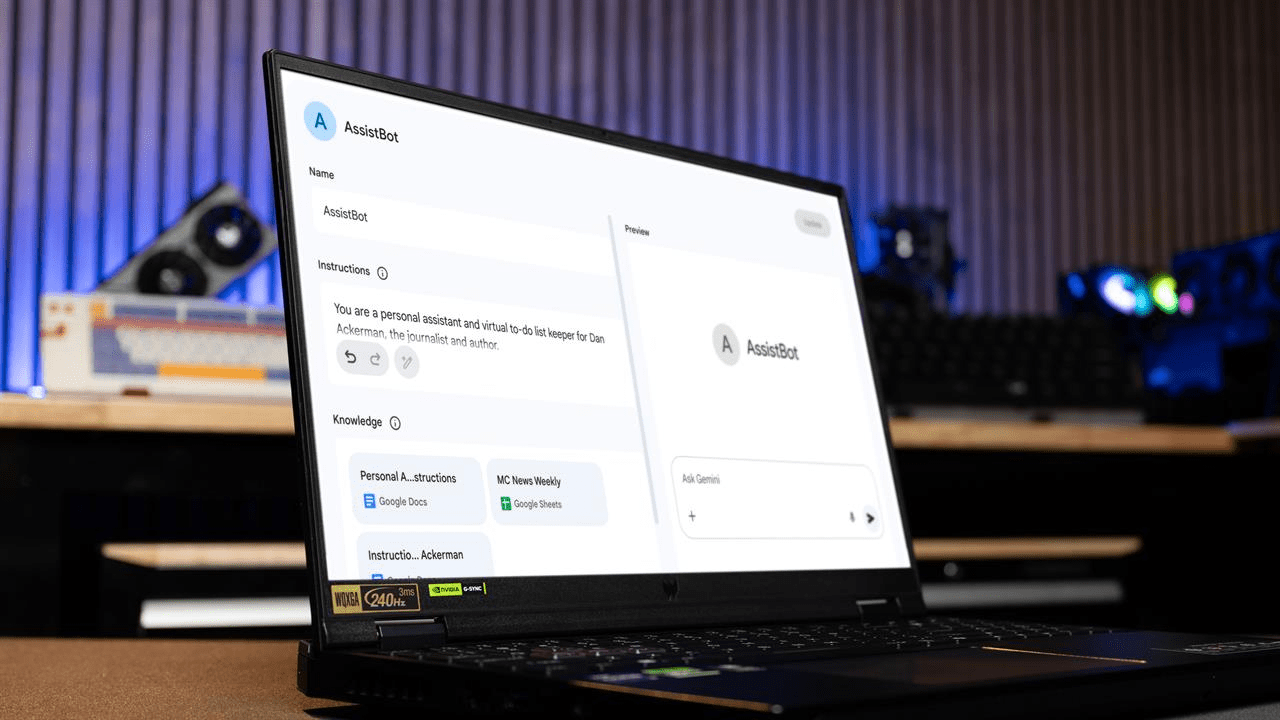
Generative AI is no longer a futuristic concept—it’s here, and it’s reshaping how we create, work, and innovate. From producing stunning digital art to drafting blog posts and composing music, generative AI systems are transforming imagination into reality at unprecedented speed.
But what exactly is generative AI, and why is it becoming such a powerful force across industries?
What Is Generative AI?
Generative AI refers to artificial intelligence systems that can create new content—including text, images, audio, video, and code—based on patterns learned from existing data.
Unlike traditional AI models that analyze or classify information, generative models produce entirely new outputs. Popular tools like OpenAI’s ChatGPT and DALL·E showcase how machines can now write, design, and ideate with remarkable fluency.
At the heart of many of these systems are advanced architectures such as:
- Transformer models (powering modern language models)
- GANs (Generative Adversarial Networks) for image synthesis
- Diffusion models for high-quality image generation
These models learn from massive datasets and generate outputs that feel surprisingly human.
Why Generative AI Matters
1. Democratizing Creativity
You no longer need to be a professional designer, coder, or writer to bring ideas to life. Generative AI tools lower the barrier to entry, allowing individuals and small businesses to produce high-quality content with minimal resources.
A startup can generate marketing copy in minutes.
A solo creator can design artwork without years of training.
A developer can prototype applications faster than ever.
2. Boosting Productivity
Generative AI acts as a powerful co-pilot. It assists with:
- Drafting emails and reports
- Writing and debugging code
- Summarizing research
- Generating product descriptions
- Creating training materials
Instead of replacing human expertise, it often enhances it—handling repetitive tasks while humans focus on strategy and creativity.
3. Transforming Industries
Generative AI is influencing nearly every sector:
- Marketing: Personalized ad copy and visuals
- Healthcare: Research assistance and documentation support
- Education: Adaptive learning materials
- Entertainment: Scriptwriting, game design, music composition
- Software Development: Code generation and optimization
Major companies are integrating AI deeply into their products, including Microsoft and Google, accelerating mainstream adoption.
The Technology Behind the Magic
Modern generative AI relies heavily on large-scale language models and multimodal systems. For example:
- GPT-4 demonstrates advanced reasoning and content generation.
- Midjourney creates artistic imagery from simple prompts.
These systems use billions (sometimes trillions) of parameters trained on diverse datasets. The result? Models capable of understanding context, tone, style, and even subtle nuance.
Challenges and Ethical Considerations
With great power comes great responsibility.
Generative AI raises important concerns:
- Misinformation and deepfakes
- Bias in training data
- Intellectual property questions
- Job displacement fears
- Data privacy
Organizations and governments are actively working to create frameworks that ensure responsible development and deployment of AI technologies.
Transparency, accountability, and human oversight remain critical.
The Future of Generative AI
We are just at the beginning.
Future advancements may bring:
- Real-time AI collaborators in virtual environments
- Hyper-personalized digital assistants
- Fully AI-generated immersive experiences
- Seamless human-AI creative partnerships
Generative AI is not about machines replacing humans—it’s about expanding human potential.
Final Thoughts
Generative AI represents one of the most significant technological shifts of our time. It blends creativity with computation, turning imagination into something tangible and scalable.
As we navigate this evolving landscape, the key will be balance: leveraging AI’s capabilities while preserving human originality, ethics, and purpose.
The question is no longer whether generative AI will shape the future.
It’s how we choose to shape it with AI by our side.
If you’d like, I can also tailor this article to a specific audience (tech beginners, business leaders, students) or optimize it for SEO with keywords and meta description.