
The Hybrid Runway: Blending Craftsmanship with AI in High-End Marketing
>> AI Knowledge Base>> The Hybrid Runway: Blending Craftsmanship with AI in High-End Marketing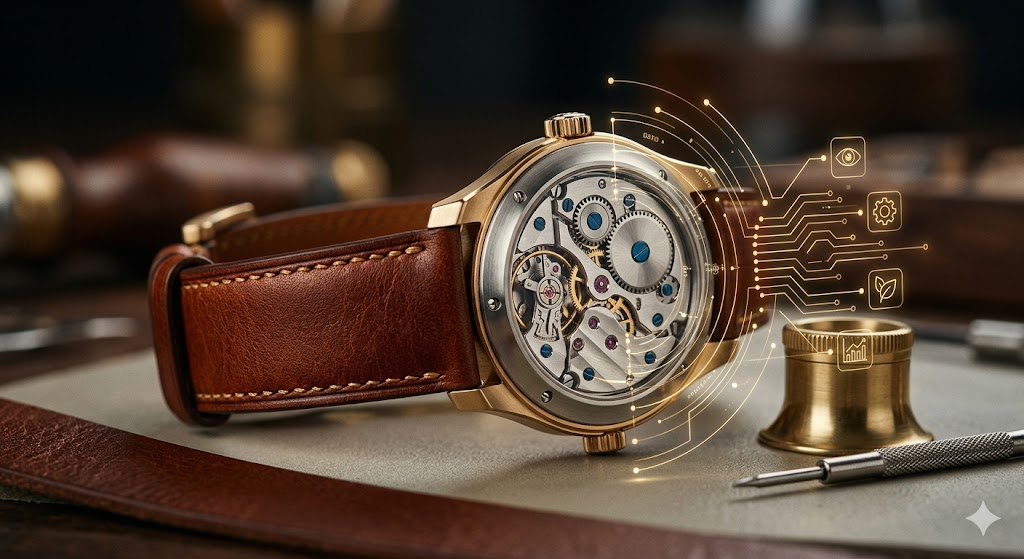
The Hybrid Runway: Blending Craftsmanship with AI in High-End Marketing
For decades, premium branding and luxury marketing operated under a strict rule: creative intuition and heritage always trumped raw data. While standard retail focused on mass appeal and quick conversions, high-end brands relied on exclusive storytelling, intricate detail, and human artistry.
But as we cross the midway point of 2026, the landscape is undergoing a monumental shift.
The industry’s leading creative houses are no longer treating artificial intelligence as a threat to authenticity. Instead, they are pioneering a new approach: the hybrid workflow. By pairing traditional craftsmanship with generative AI, brands are elevating their visual storytelling to unprecedented heights.
AI as the Ultimate Creative Catalyst
The old misconception was that AI would replace the designer or artisan. The reality in 2026 is far more collaborative. AI has become an elite creative partner—a tool that accelerates the initial stages of ideation and visual experimentation.
Instead of spending weeks setting up physical mood boards or waiting on rough concept renders, creative directors are using AI to visualize complex aesthetics, intricate textures, and dramatic lighting environments in seconds.
Whether it’s mapping out the precise refraction of light through a gemstone or experimenting with “Old Hollywood” cinematic framing for an upcoming campaign, AI allows creators to push past creative blocks instantly. The human artisan then step in to refine, perfect, and inject the soul into the final piece.
Hyper-Personalized Visual Discovery
Today’s sophisticated consumers expect digital interactions to feel as curated and tailored as an elite personal shopping appointment. Mass-market, one-size-fits-all advertisements are rapidly losing their effectiveness.
With AI-driven audience insights, brands can now analyze fine-grained search intents and aesthetic preferences in real time. This data directly informs creative execution.
Marketing teams can dynamically adapt campaign visuals to match a viewer’s specific lifestyle profile. For example, a digital ad feature can automatically shift its background setting from a sleek, minimalist modern penthouse to a classic, moody studio look depending on what resonates most with the individual user—all while keeping the core product flawlessly positioned in the center.
Bringing the Tactile World to the Screen
One of the biggest challenges for high-end digital catalogs and e-commerce has always been translating the physical, tactile weight of a premium product to a flat glass screen.
In 2026, advanced rendering models and AR integrations are closing that gap entirely. Brands are leveraging highly sophisticated visual engines to offer hyper-realistic, 360-degree product discovery. Consumers can zoom in on the macro details—examining the fine polish of a metal bezel or the intricate weave of a fabric from their smartphones—turning digital convenience into an emotional connection.
The Value Equation of 2026
Ultimately, modern marketing is moving away from superficial status or loud logos. Today’s buyers crave “proof of craft” and emotional resonance. They want to know the story behind the product, the origin of its materials, and the artistry involved in its creation.
The brands winning the digital runway this year are the ones balancing authenticity with innovation. They use data and AI to optimize the journey, but leave the core message deeply rooted in human legacy, detail, and emotion.
Related Post

The Prompt Library (18 Templates)
Copy a block, fill the [brackets], generate. Each is tagged with who it's for and…