

Artificial Intelligence (AI)
>> AI Knowledge Base>> Artificial Intelligence (AI)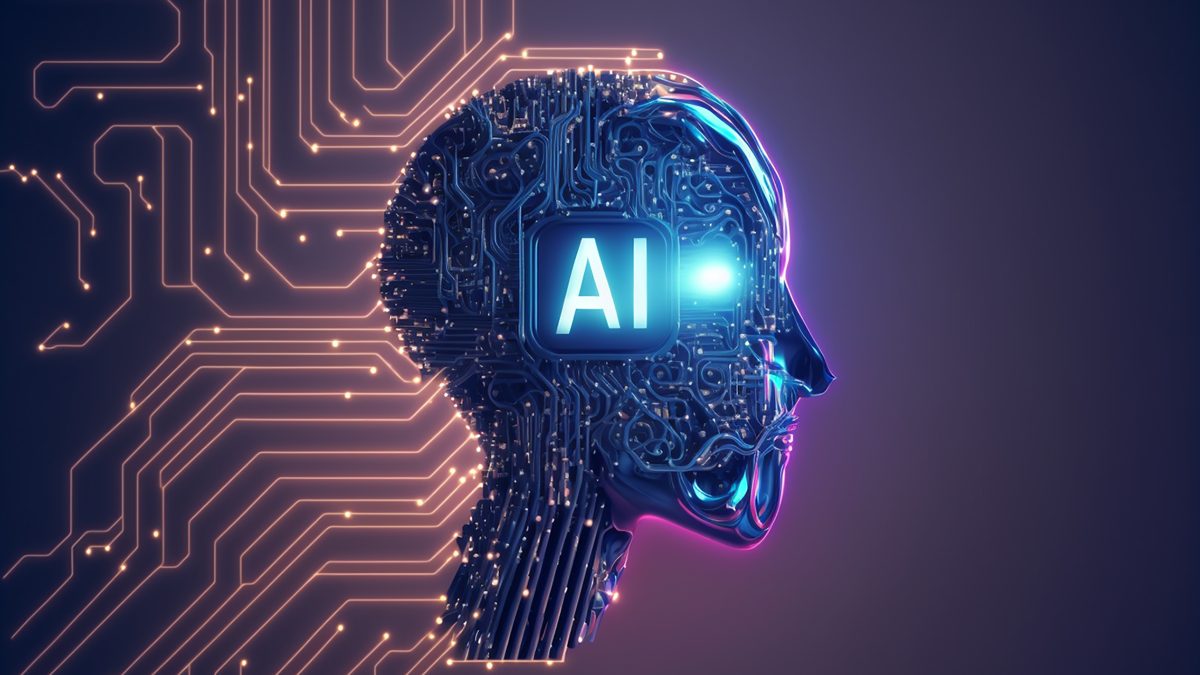
Artificial Intelligence (AI)
Artificial Intelligence (AI) is one of the most important and transformative technologies of our time. 🤖✨
Here’s a clear and complete overview for you 👇
🧠 1. What Is Artificial Intelligence (AI)?
Artificial Intelligence (AI) refers to the simulation of human intelligence by machines, especially computer systems.
In simple terms, AI enables machines to think, learn, and make decisions — much like humans do, but faster and with data-driven precision.
Example: When Netflix recommends a movie or Siri answers your question — that’s AI in action.
⚙️ 2. Types of AI
a. Based on Capability
- Narrow AI (Weak AI)
- Designed for a specific task (e.g., chatbots, image recognition).
- Example: Google Assistant, ChatGPT, self-driving cars.
- General AI (Strong AI)
- Aims to perform any intellectual task a human can.
- Still under research — not yet achieved.
- Super AI
- A hypothetical form of AI that surpasses human intelligence in every way.
b. Based on Functionality
- Reactive Machines – No memory; respond only to current inputs. Example: IBM’s Deep Blue chess computer.
- Limited Memory – Can learn from past data to make better decisions. Example: Self-driving cars, recommendation systems.
- Theory of Mind – Future AI that understands human emotions and intentions.
- Self-Aware AI – Theoretical AI with consciousness and self-understanding.
📊 3. Core Branches of AI
| Field | What It Does | Examples |
|---|---|---|
| Machine Learning (ML) | Teaches computers to learn from data | Spam filters, recommendation engines |
| Deep Learning (DL) | Uses neural networks to mimic the human brain | Voice recognition, image detection |
| Natural Language Processing (NLP) | Enables understanding of human language | Chatbots, translation tools |
| Computer Vision | Enables computers to “see” and interpret images | Face recognition, medical imaging |
| Robotics | Designs robots that interact with the physical world | Drones, manufacturing robots |
| Expert Systems | Mimics human expert decision-making | Medical diagnosis systems |
| Speech Recognition | Converts speech into text | Siri, Alexa, Google Assistant |
🧩 4. Real-World Applications of AI
💼 Business
- Predictive analytics
- Chatbots and customer support
- Fraud detection in banking
- Workflow automation
🏥 Healthcare
- Disease prediction and diagnosis
- Drug discovery
- AI-assisted surgery
- Personalized medicine
🚗 Transportation
- Self-driving cars
- Smart traffic systems
- Route optimization
🏠 Daily Life
- Virtual assistants (Siri, Alexa, Google)
- Smart home devices
- Personalized shopping & entertainment recommendations
📷 Media & Creativity
- AI-generated art, music, and writing
- Video editing automation
- Image enhancement tools
📈 5. Benefits of Artificial Intelligence
✅ Efficiency & Automation – AI handles repetitive tasks 24/7
✅ Accuracy & Precision – Especially in data-heavy fields (like medicine or finance)
✅ Cost Savings – Reduces manual labor and errors
✅ Data Insights – Helps businesses make smarter decisions
✅ Personalization – Enhances user experiences
⚠️ 6. Challenges & Ethical Concerns
- Job displacement (automation replacing human roles)
- Bias in AI models (if data is biased, results will be too)
- Privacy concerns (data collection and tracking)
- Lack of transparency (AI “black box” decision-making)
- Security risks (AI-driven cyber threats or misinformation)
Responsible AI development means focusing on fairness, accountability, and transparency.
🔮 7. The Future of AI
- Integration with IoT (Internet of Things) for smart cities
- AI-driven creativity — writing, design, music
- Healthcare breakthroughs via predictive AI
- AI-powered education and tutoring systems
- Ethical AI frameworks for fair and safe technology use
Related Post
How to Create a Professional Logo Using AI (Step-by-Step Guide)
Your logo is one of the first things people notice about your brand. It represents…